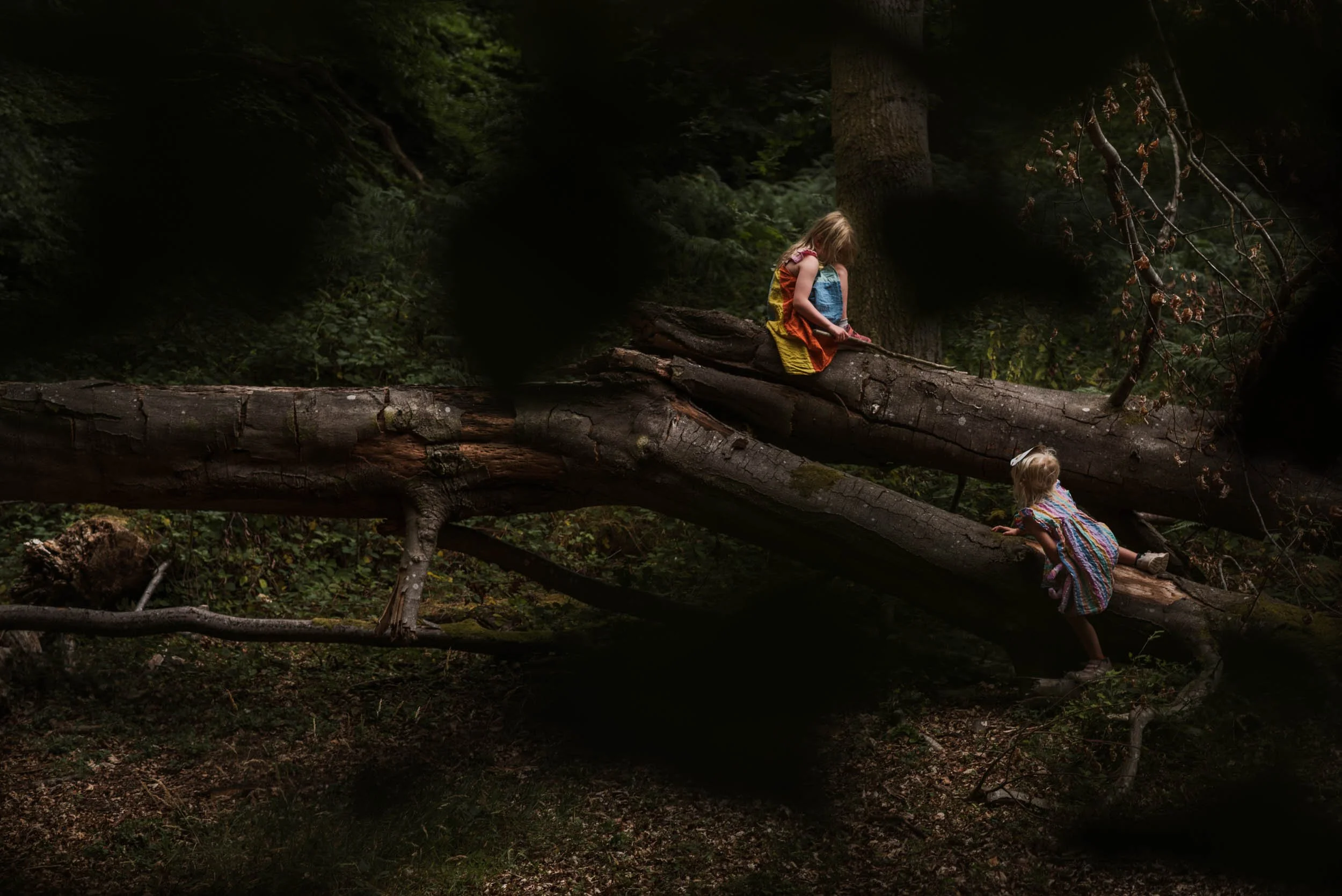
Why Photography Matters to Forest Schools: A Documentary Photographer’s Perspective
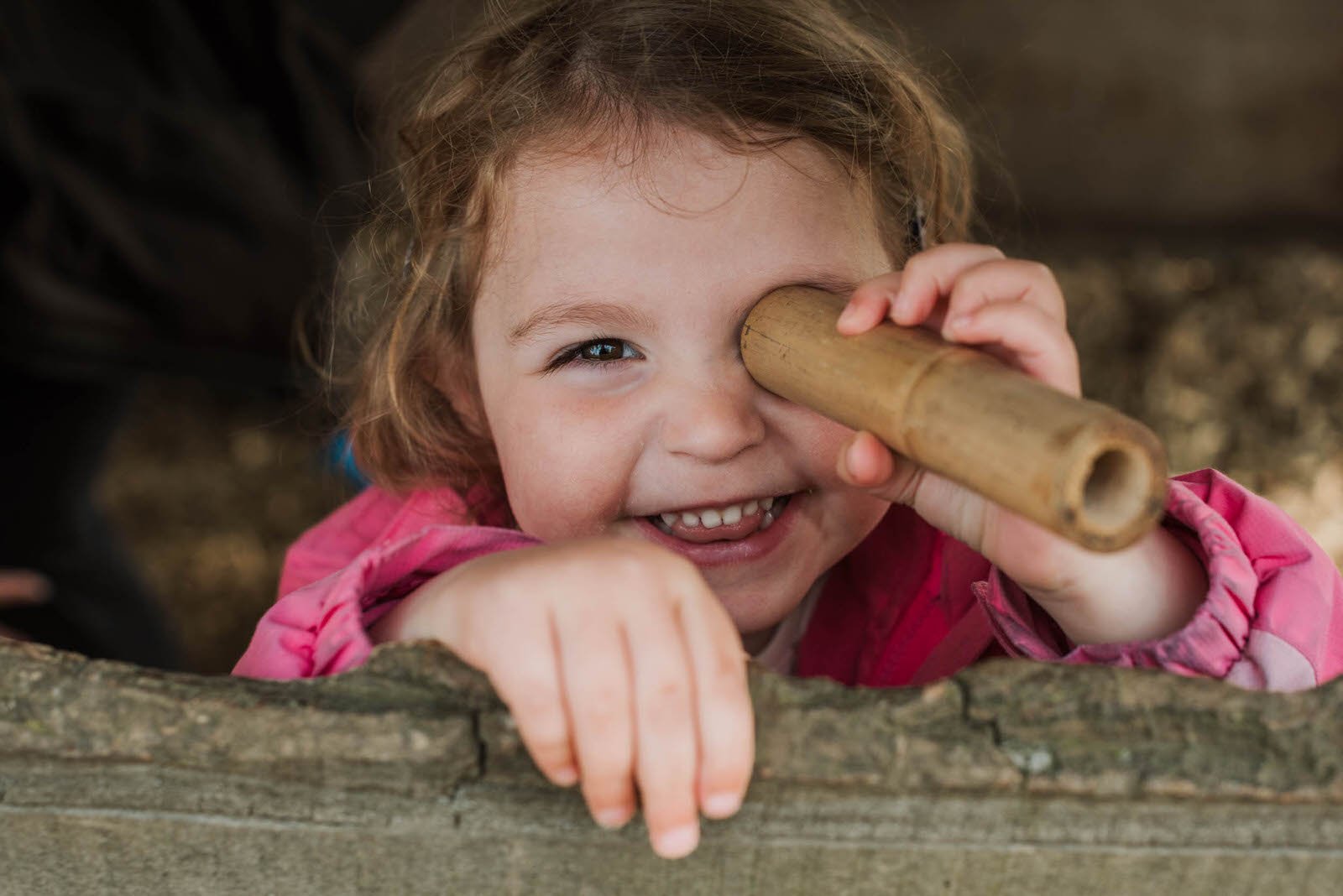
A few years ago, I had the joy of providing some photography training to Timbernook Forest Schools, who are world-renowned for their child-led, nature-immersive approach to learning.
As a documentary photographer, I see photography not as a checklist of perfect moments, but as a way of honouring the authentic experience of a child in nature, the laughter, the mud, the wonder, and the unfiltered curiosity that forest schools nurture. This philosophy sits at the heart of how I shoot families and brands: I’m looking for truth, emotion, and the little details that make a moment unmistakably itself.
1. Photography Documents the Real Story — Not the “Pretty Version”
In a forest school setting, magic happens in the in-between moments:
A child reaching for a leaf,
The way sunlight glints on water,
An unexpected burst of laughter after a slow, quiet walk.
These are not staged “picture perfect” moments, they are real moments. Documentary photography respects that reality, capturing the story of a child’s experience in a way that feels alive and emotionally true. This approach aligns with the ethos of forest schools: learning through exploration, play, and personal discovery.
2. Photos Create Lasting Meaning for Families and Educators
A well-taken photograph does more than show what happened, it reminds us how it felt.
For parents and carers, images from forest school become treasured markers of:
growth and confidence,
resilience in new challenges,
joy in independent play.
For educators, skillful photography becomes a tool for reflection and professional development. It can help teams see patterns in how children interact with their environment and with each other, not just what occurs, but why it matters.
3. Teaching Photography Enhances Observation
One powerful takeaway from speaking with Timbernook was how photography naturally sharpens observation skills. Teaching forest school leaders to:
anticipate light and movement,
notice expression and gesture,
wait for connection over posed performance,
It is teaching them to see deeply.
Photography trains the eye to observe with intention, and that’s a core skill in forest education. When we make space to observe, we make space to understand.
4. Photography Helps Stories Travel Beyond the Woods
Forest schools are often immersive, sensory-rich, and deeply meaningful, but how do we share that with others?
Great photography allows stories from the forest to transcend space and time. It empowers schools to:
communicate their ethos to prospective families,
celebrate achievements at community events,
reflect on each child’s unique journey.
In my own work, I always seek images that evoke feeling as much as sight, ones that reflect personality, mood, and connection rather than artificial smiles or staged poses.
5. Documentary Photography Is an Act of Respect
One final point: when we document children and adults in a forest school environment, we are making a choice. We choose to show people as they truly are, not how we expect them to be. This is the core of documentary photography, it honours authenticity, subtlety, and the poetry of everyday moments.
This ethos aligns perfectly with the philosophy of organisations like Timbernook, where the learning is organic, playful, and deeply human.
If you are a Forest School, in Berkshire, Hampshire, Wiltshire or beyond, do get in touch to see how we can work together to bring your vision alive.